Decades of research.
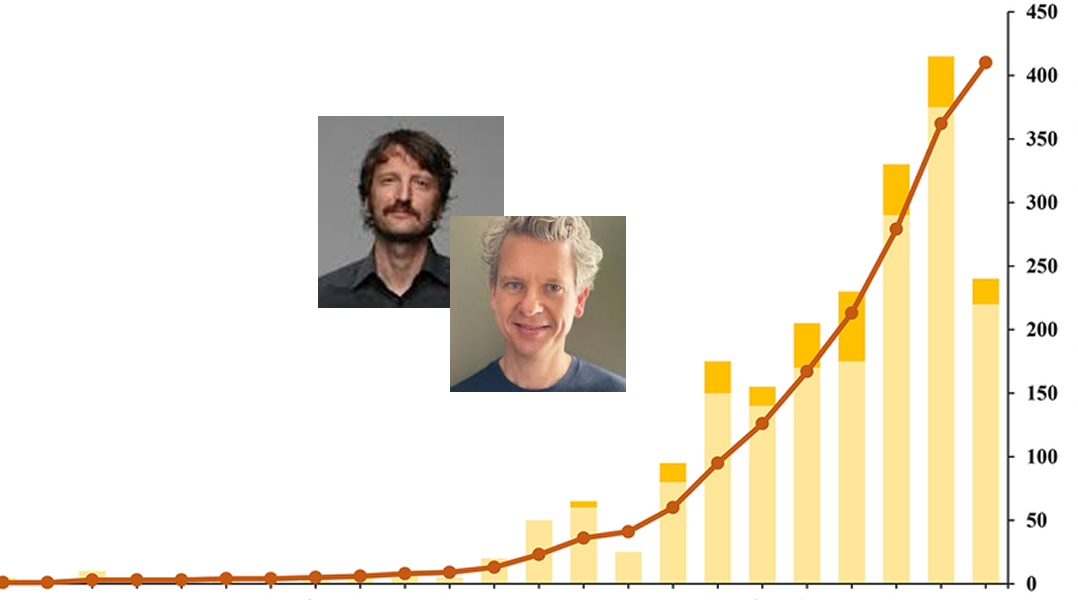
Hundreds of studies.
One radical leap in human insight.

Our technology translates decades of research into tools that help people understand themselves and others, deeply and accurately.

University Collaborations
0
Ongoing Studies
0
Peer-reviewed Studies
0

Each audio prompt, each piece of music reflects your inner world—who you are today, and who you're becoming tomorrow.

1952: A provocative hypothesis is made.

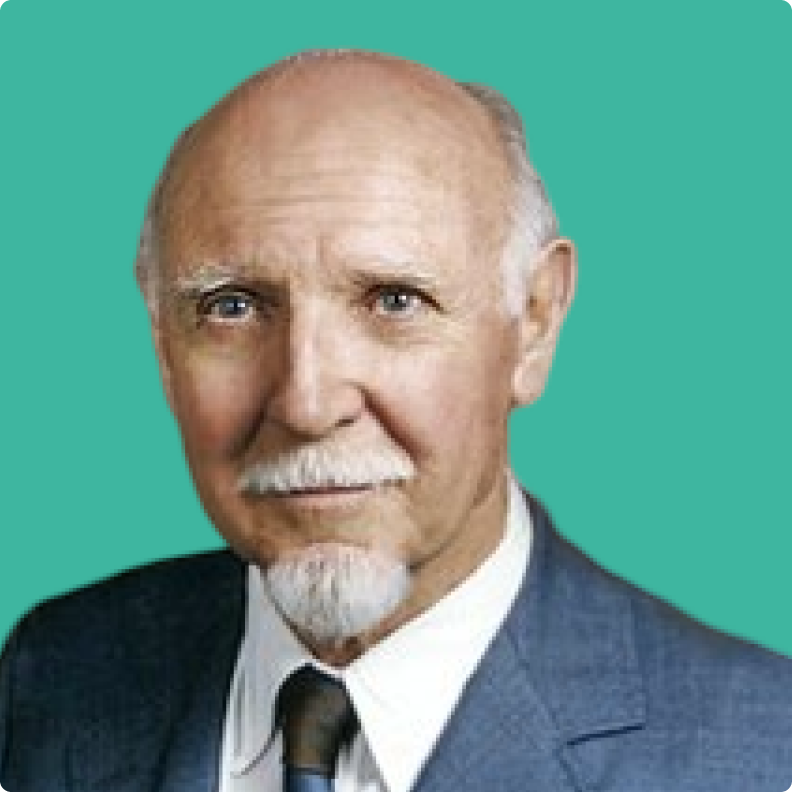
In the 1950’s, world-renowned personality psychologist Raymond Cattell (1905 – 1998), who in his career published over 500 scientific articles and 50 books, published two studies unique linking musical preferences with personality.

He hypothesized that ‘musical preferences point to “deeper aspects of personality (p. 446)”… and that if future studies were conducted, “indicate that the [music preference] test is a powerful means of psychiatric diagnosis (p. 453).”

This was the first discovery to link musical preferences with personality and mental health diagnoses. However, for reasons unknown, Cattell didn’t pursue this line of research, likely because of limitations with technology of that era. In fact, this line of research was barely approached until many decades later.

2003: Research on preferences skyrocket.

In 2003, P. Jason Rentfrow and Sam Gosling at the Univeristy of Texas at Austin, picked up where Cattell left off and published a landmark study on musical preferences. Rentfrow and Gosling built on interactionist theories to show that peoples preferences for self-rated genres were correlated with their personality traits. This was the first empirical study on musical preferences and personality since Cattell and spawned a volume of research in this area for years to come. In fact research from over 40 studies coverged to show similar patterns between preferences and personality.

2016: We develop an audio-driven way to measure preferences

In 2016, David M. Grenberg, CHIME Health AI’s co-founder, and Jason Rentfrow, now at Cambridge University, published a new method for measuring musical preferences based on the acoustical and mood attributes in the music instead of the illusive genre categorizations.

2018 to 2022: We publish high-impact studies.

From this massive dataset, Greenberg and his colleagues begin to test hypothesis and publish their findings. These including studies contributed to advancing scientific knowledge in music cognition, audio information analysis, and autism and neurodivergence. These included, at the time, the largest studies on music and personality (JPSP, 2022), the largest study on autistic traits (PNAS, 2018), and the largest study on theory of mind (JPSP, 2022).


Our research goes viral.

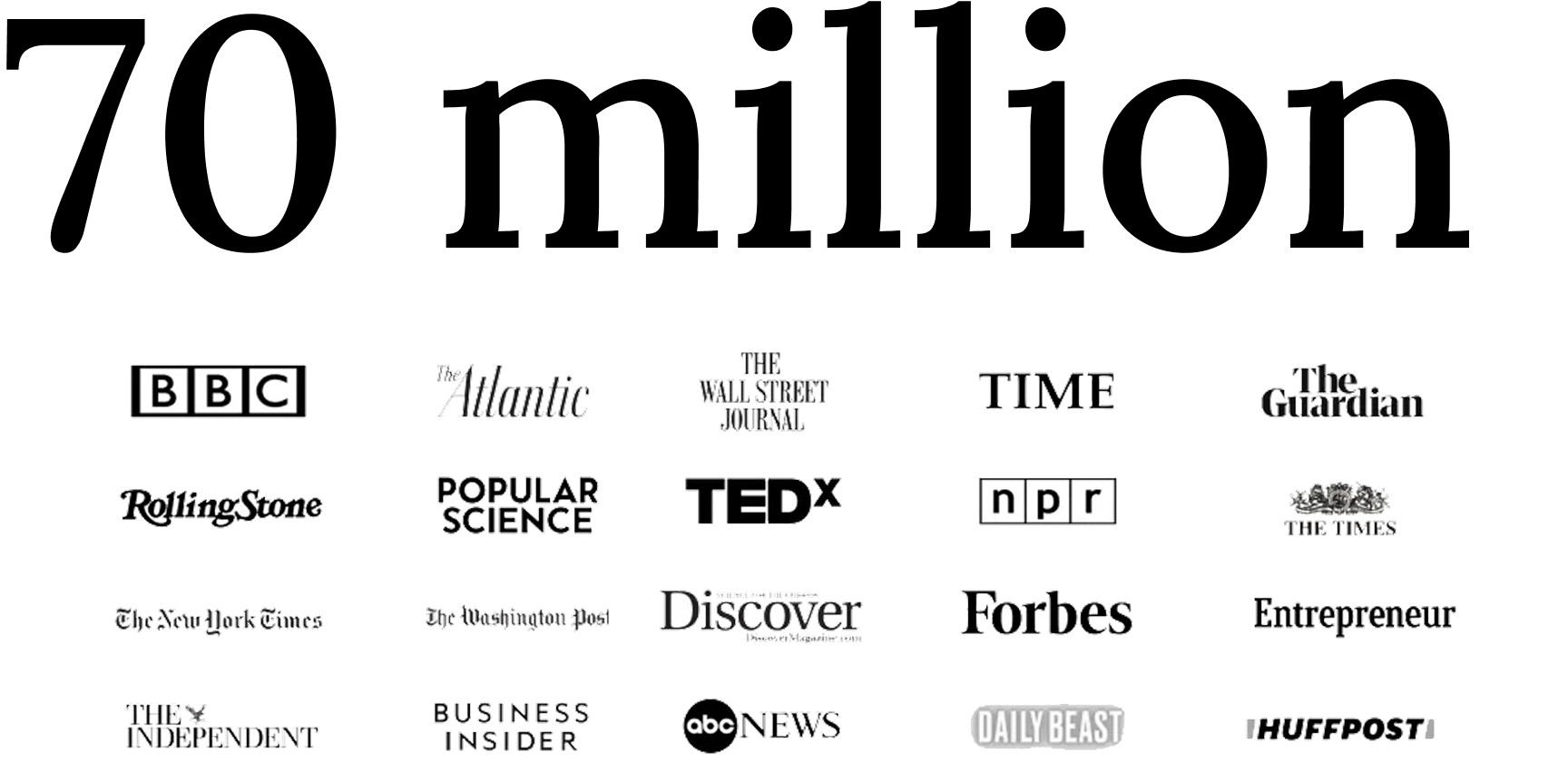
In 2015, Greenberg and Rentfrow developed the musical universe project, an online platform rooted in citizen science whereby participants around the world could participate in scientific research, complete psychometric tests, and get feedback about their scores. This approach went viral, and musical universe along with several other platforms amassed more than 70 million data points from 1.7 million participants.

2025: We confirm Cattell’s hypothesis and transform it into real-world impact.

With a one-of-a-kind dataset in hand, Greenberg and CHIME Health AI’s co-founder, Igor Radovanovic, begin testing Cattell’s initial hypothesis that msuical prefernces could be a window into mental health and psychiatric diagnoses. Radovanovic began building machine learning models with the data and found that people’s reactions to audio patterns embedded in the music were highly predictive of their mental health and neurodevelopmental diagnoses.

CHIME Health AI dashboard, showcasing welcome message, SNaP tests taken, a button to take test, traits stats, compare score graph, values and neurodivergent traits

2025: CHIME Health AI patents SNaP.

The Screening for Neurodevelopment and Psychology (SNaP) is a validated AI tool that reveals deep insights about cognitive and neural patterns.

Why does all this matter?

Because it offers a new lens on the self. It’s science, yes — and it’s also illumination. It’s structured, clinical, evidence-based — and yet personal, profound, and in the right moment, transformative.